
Obesity is not always about laziness or lack of discipline. In many cases, it is deeply connected to emotions. Stress, loneliness, anxiety, trauma, relationship problems, and even boredom can lead to emotional eating. When food becomes comfort, weight gain becomes a side effect of emotional pain.
If you are searching for the best health and fitness services for obese who suffer from emotional eating, the solution is not extreme dieting or punishment workouts. The solution is a holistic program that heals both the body and the mind.
In this blog, we will explore the most effective, science-backed, and sustainable health and fitness services designed specifically for individuals struggling with obesity and emotional eating patterns.
Understanding Emotional Eating and Obesity
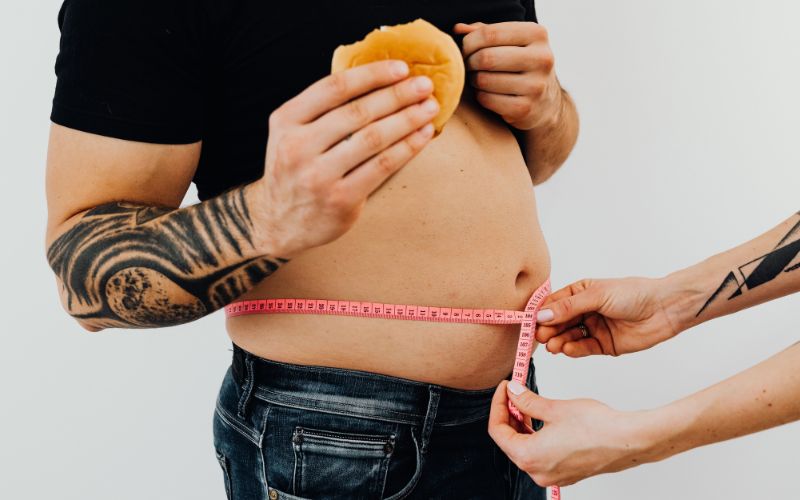
Emotional eating is when you eat not because you are physically hungry, but because you are emotionally overwhelmed.
Common triggers of emotional eating include:
- Stress and work pressure
- Anxiety and overthinking
- Depression or sadness
- Relationship issues
- Trauma or past experiences
- Low self-esteem
- Loneliness
- Celebration without control
Over time, emotional eating can lead to:
- Rapid weight gain
- Hormonal imbalance
- Poor digestion
- Low energy levels
- Poor body image
- Guilt and shame cycle
This creates a dangerous loop:
Emotional pain → Overeating → Guilt → More emotional pain → More eating
Breaking this cycle requires structured support — not just motivation.
Why Traditional Dieting Fails for Emotional Eaters
Many obese individuals try:
- Crash diets
- Detox programs
- Starvation plans
- Excessive cardio
- Random online workouts
But these approaches often fail because:
- They do not address emotional triggers
- They increase stress hormones
- They create restriction and binge cycles
- They are not sustainable long-term
What works instead is a structured, supportive, and psychologically aware fitness system.
Best Health and Fitness Services for Obese Who Suffer from Emotional Eating

Here are the most effective services that truly support transformation:
1. Emotional Awareness & Behavior Coaching
Weight loss begins with mindset correction.
The first step is identifying:
- Why do you overeat?
- When do you feel the urge to eat emotionally?
- What emotions trigger binge episodes?
Effective coaching includes:
- Emotional trigger identification
- Habit tracking
- Mindful eating techniques
- Journaling practices
- Accountability sessions
- Positive body image building
This psychological support is the foundation of sustainable weight loss.
2. Structured Strength Training for Fat Loss
Strength training is one of the best tools for obese individuals.

Unlike extreme cardio, strength training:
- Increases metabolism
- Builds lean muscle
- Improves insulin sensitivity
- Burns fat even at rest
- Boosts confidence
- Reduces stress hormones
Beginner-friendly strength workouts include:
- Bodyweight squats
- Seated leg press
- Resistance band exercises
- Light dumbbell training
- Core stability training
Training 3–4 times per week under professional guidance creates steady results without burnout.
3. Low-Impact Cardio for Sustainable Fat Burn

Obese individuals often struggle with joint pain and low stamina.
That’s why low-impact cardio is ideal.
Recommended options:
- Incline treadmill walking
- Stationary cycling
- Swimming
- Elliptical machine
- Dance-based workouts
- Light aerobic circuits
Benefits:
- Burns calories safely
- Improves heart health
- Reduces stress
- Improves mood naturally
Short 20–30 minute sessions are more effective than exhausting 90-minute cardio.
4. Mindful Nutrition Planning (No Starvation)

Emotional eaters do not need restriction — they need balance.
The best nutrition services focus on:
- High-protein meal plans
- Portion awareness
- Balanced carbohydrate intake
- Anti-inflammatory foods
- Healthy snack alternatives
- Emotional hunger vs physical hunger education
Smart food strategies:
- Eat every 3–4 hours
- Add protein to every meal
- Increase fiber intake
- Stay hydrated
- Avoid skipping meals
- Allow controlled treat meals (no guilt)
When the body is properly nourished, emotional cravings reduce significantly.
5. Stress Management & Cortisol Control

High stress leads to high cortisol, which increases belly fat storage.
Managing stress is essential for obese individuals struggling with emotional eating.
Effective services include:
- Guided meditation
- Deep breathing exercises
- Yoga sessions
- Mind-body relaxation therapy
- Gratitude journaling
- Emotional release sessions
Reducing stress naturally decreases binge episodes.
6. Group Support & Safe Environment
Obese individuals often feel judged in traditional gym environments.
A supportive fitness community:
- Removes shame
- Builds confidence
- Encourages consistency
- Creates accountability
- Improves mental well-being
When clients feel emotionally safe, they perform better physically.
7. Body Composition Monitoring (Beyond the Scale)
Emotional eaters often feel discouraged when the weight scale does not change quickly.
Instead, track:
- Body fat percentage
- Muscle gain
- Inch loss
- Energy levels
- Emotional stability
- Reduced binge frequency
This builds motivation beyond numbers.
Signs You Are Choosing the Right Health and Fitness Service

When selecting the best health and fitness services for obese who suffer from emotional eating, ensure they provide:
- ✔ Holistic transformation programs
- ✔ Emotional wellness support
- ✔ Structured workout plans
- ✔ Nutrition coaching
- ✔ Personalized attention
- ✔ Sustainable approach
- ✔ Positive, judgment-free environment
Avoid programs that promise “10 kg in 10 days” — real transformation takes time and patience.
Long-Term Benefits of the Right Program
With the right structured support, you can expect:
- Sustainable fat loss
- Improved relationship with food
- Higher self-confidence
- Better sleep quality
- Reduced stress and anxiety
- Increased energy
- Improved mobility
- Better hormonal health
The goal is not just to lose weight — it is to build emotional strength and mental resilience.
Final Thoughts
If you are obese and struggling with emotional eating, remember:
You are not weak.
You are not lazy.
You are not broken.
You simply need the right guidance.
The best health and fitness services for obese who suffer from emotional eating focus on:
- Emotional healing
- Strength training
- Smart nutrition
- Stress management
- Sustainable lifestyle habits
Weight loss is not punishment.
It is self-respect.
It is self-care.
It is self-love.
With the right support system, consistent effort, and a disciplined mindset, transformation is always possible — mentally, physically, and emotionally.💜